Home

About us | Newsroom | Contact us

Link
Request a safe & well visit

Suggested searches

Smoke alarms
Fire safety in my home
Water safety
Your Information (Privacy Notice)
Publication Scheme
  • Home
  • Incidents
  • Safety advice
  • Careers
  • Newsroom
  • About Us
    Back
    About Us
      • Who We Are
        Back
        Who We Are
        • Organisational Chart
        • Associated Groups
        • Executive Leadership Team
        • WYFRS Authority
        • Your information (privacy notice)
      • What We Do
        Back
        What We Do
        • Achievements
        • Consultation and Engagement
        • Diversity and Inclusion
        • Prevent, Protect, Respond
        • Special Service Calls
        • Statutory Duties
        • West Yorkshire Prepared
      • Access to Information
        Back
        Access to Information
        • Accessibility Statement
        • Data Protection
        • Data Transparency
        • Freedom of Information
        • People and Pay
        • Publication Scheme
  • Building Safety Portal
  • Young People
    Back
    Young People
      • Learning Resources
      • Youth Interventions
      • The King's Trust - Get Started Programmes
  • Contact us

Breadcrumb

  1. Home
  2. Safety advice

Medication and Medical Devices

Many people use medicines and medical equipment at home to manage health conditions and live independently. Some medicines, devices and products can increase fire risk or affect alertness and reaction time, making it harder to notice a fire or escape safely.

This page explains common fire risks linked to medicines and medical equipment, and simple steps you can take to stay safe at home.  
 

Share
X Facebook Linkedin Email
Decorative Image

Medication

Medication is vital for treating physical and mental health conditions. Some medication is designed to sedate or induce sleep, and some can cause drowsiness or reduced alertness as a side effect.  

Did you know?

If medication affects your alertness or movement, you may not notice a fire starting or react quickly enough to escape. Everyday activities like cooking, smoking, or using candles can become much more dangerous. 

To stay safe...

  • Always read the information provided with your medication and follow advice from your healthcare professional.
  • Take medication exactly as prescribed.
  • Avoid cooking, smoking, or using naked flames if you feel drowsy, and make sure cigarettes, candles or incense are fully extinguished before going to bed.
  • Keep a phone within easy reach in case of emergency.
  • Don’t drive if you feel drowsy or your concentration is affected.  
  • Take any old or unused medication back to a pharmacy or GP surgery; so that it can be disposed of safely. 

Home Oxygen Therapy

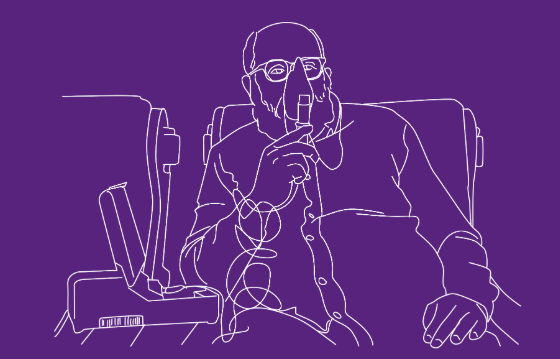
Home oxygen therapy may be prescribed for some medical conditions and usually involves an oxygen cylinder or concentrator. Oxygen can also be purchased online for health, beauty or wellbeing purposes. All oxygen used in the home presents the same fire risks.  

Oxygen is not flammable, but it can create an oxygen‑enriched environment. This means fires can start more easily and burn much faster and hotter. Clothing, bedding, hair and soft furnishings can absorb oxygen and ignite very quickly.

Did you know? 

If a heat or ignition source - such as a cigarette, heater, candle or even static electricity - is present while oxygen is in use or within 30 minutes after it is switched off, a fire can start and spread extremely quickly.   

To stay safe...

  • Never smoke or vape, or allow others to do so, while oxygen is in use or for at least 30 minutes after it is switched off.  
  • Keep oxygen at least:  

    - 3 metres (10 feet) from open fires

    - 1.5 metres (5 feet) from heaters and electrical appliances

  • Do not cook with gas or use open flames while oxygen is in use or for 30 minutes after it is turned off.  
  • Avoid candles, matches, lighters, oil burners or naked flames where oxygen is present. Consider safer alternatives such as battery-operated candles.  
  • Keep rooms well-ventilated while oxygen is being used.
  • Avoid getting emollient products on oxygen tubing or equipment.  
  • Turn oxygen off when it is not in use and store equipment safely, following your supplier’s instructions.
  • Take care with oxygen tubing to avoid trips or falls.  

Airflow Pressure-Relieving Equipment 

Airflow mattresses, cushions and overlays are used to help prevent or alleviate pressure sores. They use an electrical pump to fill the equipment with air, distributing pressure evenly. People using this equipment may also need help to escape if a fire starts.

Did you know?

If a fire occurs and an airflow product is punctured, escaping air can feed the fire, causing it to develop and spread very quickly. This can make it harder to escape safely, especially if the person using the equipment has limited mobility.

To stay safe...

  • Never smoke in bed or while using airflow pressure-relieving equipment.
  • Plug equipment directly into a wall socket – avoid multi‑socket adapters.
  • Keep fire and heaters away from the equipment.  
  • Never place hot items like hairdryers or hair straighteners on the equipment.
  • Keep a phone or telecare device within reach in case of emergency.
  • If emollients are used, cover equipment with a washable throw and wash it regularly.  

Emollient Skin Products

Although not flammable on their own, emollients can make fabrics like clothes or bedding catch fire more easily once absorbed. Keep these materials away from flames and heat to stay safe.

Visit our dedicated emollient safety advice page, using the link below for detailed advice. 

Find out more
Other Medical Devices and Products
Dark

Some medical devices and products used at home are electrical, battery‑powered or made from materials that can burn easily. If they are used, charged or stored incorrectly, they can increase the risk of fire.

Did you know? 

Damaged equipment, poor ventilation or incorrect charging can cause devices to overheat or spark, increasing the risk of a fire. 

To stay safe...

  • Always follow the manufacturer’s instructions for use and charging.
  • Keep devices well-ventilated and free from dust.
  • Position equipment away from heat sources and naked flames.
  • Check cables and plugs regularly for damage.
  • Never use damaged equipment. Notify the manufacturer or supplier if there is a problem with a medical device.
  • Don’t cover devices in a way that could cause overheating. 

Incontinence Products

Incontinence products are often used by people who may have limited mobility. These products are made from highly flammable materials and can help a fire spread quickly, making escape more difficult.

Did you know? 

Incontinence products can ignite easily and burn rapidly, increasing the risk if a fire starts.

To stay safe:

  • Store products away from heat, naked flames and electrical equipment.
  • Keep products clear of exits, walkways and doorways so they do not block escape routes.
Extra Support
Dark

Fire risk can be affected by health conditions, medication, equipment and daily routines. Simple steps can help reduce risk and keep you safer at home.

  • Tell your healthcare professional, carer or support network if your condition or needs change.
  • Share fire safety advice with those who support you.  
  • Test smoke detectors weekly and ask for help if you can’t reach them.  

If you take medication regularly, live alone, or have a health condition that affects your alertness or mobility, you may not hear a smoke detector or be able to react quickly in an emergency. You can request a Safe and Well visit, where we can offer advice on how to reduce fire risks in your home.  

To report any concerns about medicines or medical devices visit - MHRA Yellow Card Scheme.

If a Fire Starts

If a fire starts in your home:  

  • If it is safe to do so, switch off medical equipment using the controls (not by unplugging it).
  • Get out, stay out, and call 999 immediately.  
  • Close doors behind you as you leave, if safe to do so, to help contain the fire.
  • If clothing catches fire: Stop, Drop and Roll.
  • A
  • B
  • C
  • D
  • E
  • F
  • G
  • H
  • I
  • J
  • K
  • L
  • M
  • N
  • O
  • P
  • Q
  • R
  • S
  • T
  • U
  • V
  • W
  • X
  • Y
  • Z

Main navigation

  • Home
  • Incidents
  • Safety advice
  • Careers
  • Newsroom
  • About Us
  • Building Safety Portal
  • Young People
  • Contact us

Translate the website

© 2026 West Yorkshire Fire And Rescue Service - All Rights Reserved

Footer bottom

  • Sitemap
  • Accessibility Statement
  • Facebook
  • X-twitter
  • Youtube
  • Instagram