Home

About us | Newsroom | Contact us

Link
Request a safe & well visit

Suggested searches

Smoke alarms
Fire safety in my home
Water safety
Your Information (Privacy Notice)
Publication Scheme
  • Home
  • Incidents
  • Safety advice
  • Careers
  • Newsroom
  • About Us
    Back
    About Us
      • Who We Are
        Back
        Who We Are
        • Organisational Chart
        • Associated Groups
        • Executive Leadership Team
        • WYFRS Authority
        • Your information (privacy notice)
      • What We Do
        Back
        What We Do
        • Achievements
        • Consultation and Engagement
        • Diversity and Inclusion
        • Prevent, Protect, Respond
        • Special Service Calls
        • Statutory Duties
        • West Yorkshire Prepared
      • Access to Information
        Back
        Access to Information
        • Accessibility Statement
        • Data Protection
        • Data Transparency
        • Freedom of Information
        • People and Pay
        • Publication Scheme
  • Building Safety Portal
  • Young People
    Back
    Young People
      • Learning Resources
      • Youth Interventions
      • The King's Trust - Get Started Programmes
  • Contact us

Breadcrumb

  1. Home

Lithium-ion Batteries

Lithium-ion batteries power many of the devices we use every day, including smartphones, laptops, e-bikes, e-scooters, power tools and vapes.  

Fires involving these batteries can ignite without warning, burn fiercely and release toxic gases. Incidents are increasing across West Yorkshire, often linked to unsafe charging, damaged or counterfeit batteries, and poor storage or disposal. This page explains how to reduce the risk and stay safe.

Share
X Facebook Linkedin Email
Decorative Image

If a battery catches fire:

  • Get out, stay out, call 999 immediately.  
  • Do not attempt to extinguish the fire or move the burning device.
  • Close doors behind as you leave, if safe, to do so, to help contain the fire. 

Shocking Footage Reveals the Hidden Dangers of Lithium Batteries - Captured by Homeowners in West Yorkshire.

For more information on this incident, click here.

Video file

Storage Handling 

  • Never use damaged or faulty batteries: Avoid using batteries or devices that are swollen, punctured, or show signs of damage; they can fail without warning and pose a serious fire risk.
  • Keep away from heat sources: Store batteries and devices away from radiators, heaters, direct sunlight, and cookers. Extreme temperature, even when not in use, can increase the risk of fire.
  • Store safely: Keep batteries in a cool, dry place and away from metal objects like keys or coins.  
  • Follow manufacturer guidelines: Always refer to the device manual for proper storage and maintenance instructions.
  • Install smoke detectors: Place smoke detectors in areas where batteries are charged or stored for early fire detection. 

Buy Safe 

  • Choose reputable retailers: Buy batteries, devices and chargers from trusted, well‑known retailers to reduce the risk of counterfeit or low‑quality products.
  • Buy the correct battery or device: Make sure batteries are suitable for the device they are intended for and meet the manufacturer’s specifications.
  • Use manufacturer‑approved chargers: Always use the charger supplied with the device, or a replacement recommended by the manufacturer. Using the wrong charger can cause overheating and increase the risk of fire.
  • Avoid second‑hand batteries and chargers: You can’t be sure of their condition or history, which may make them unsafe. 


Charge Safe

Charging lithium-ion batteries incorrectly is a common cause of fires. Here’s how to charge safely:

  • Never charge overnight or unattended: Always be present while charging and unplug once fully charged.
  • Use approved chargers: Only use chargers recommended by the manufacturer. Avoid cheap or counterfeit alternatives that may lack safety features.
  • Choose safe charging locations: Never charge on beds, sofas, or under pillows. Avoid charging in very hot or cold environments.
  • Keep escape routes clear: Don’t charge devices in hallways or near doors where they could block your exit in an emergency.
  • Avoid overheating: Don’t cover devices while charging and always place them on a flat, solid surface.
  • Don’t overload sockets: Especially when charging high-powered devices like e-bikes or e-scooters.
  • Read the instructions: Always follow the safety guidance provided with your device or charger.  

Dispose Safe

Improper disposal of lithium-ion batteries can lead to fires in bins, trucks, or recycling centres.

  • Never dispose of batteries in household waste: They must be recycled properly.
  • Recycle the whole device if needed: If the battery is built-in, recycle the entire device.
  • Use official recycling points: Drop off batteries at designated collection points in shops, supermarkets, or check with your local authority.
  • Find your nearest recycling centre: Visit Recycle Your Electricals for locations.


Decorative Image

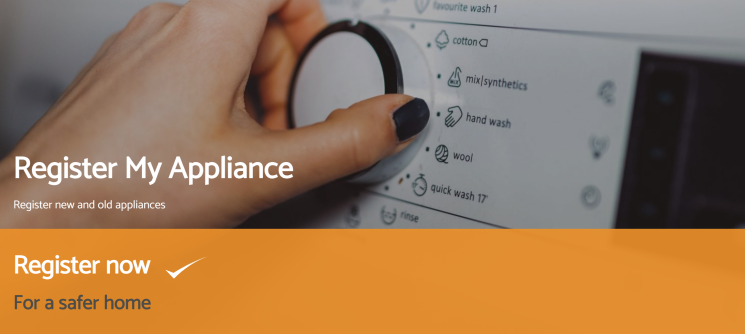
Register your device

Never miss out on appliance recalls. Register your devices to receive important recall alerts. 

Register my appliance
Decorative Image

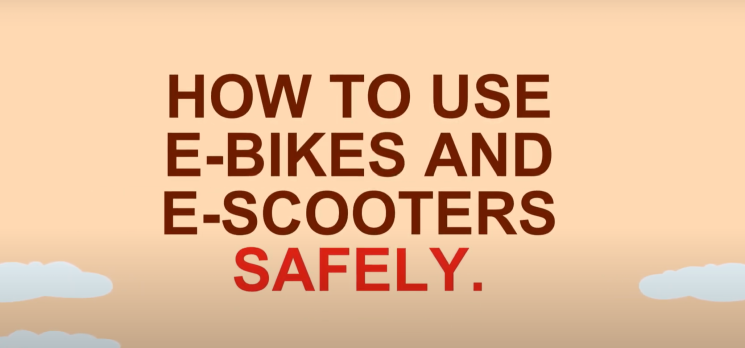
Battery Safety

Learn more about using your e-bikes and e-scooters safely. 

Find out more
Decorative Image

GOV.UK Product Safety

OPSS warning on dangerous UPP e-bike batteries. Repeat warning to stop using UPP batteries linked to multiple serious fires.

Find out more

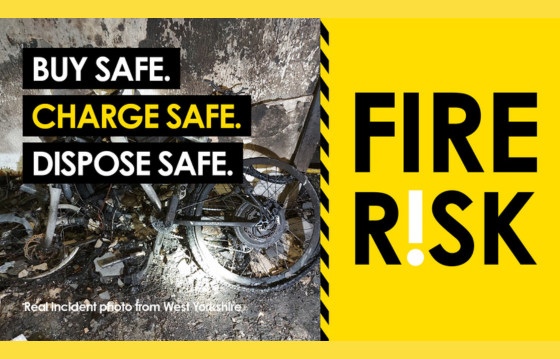
West Yorkshire Fire and Rescue Service Campaign Assets

You can access the Buy Safe. Charge Safe. Dispose Safe. campaign assets here.
Related

Electricals

Find out more
  • A
  • B
  • C
  • D
  • E
  • F
  • G
  • H
  • I
  • J
  • K
  • L
  • M
  • N
  • O
  • P
  • Q
  • R
  • S
  • T
  • U
  • V
  • W
  • X
  • Y
  • Z

Main navigation

  • Home
  • Incidents
  • Safety advice
  • Careers
  • Newsroom
  • About Us
  • Building Safety Portal
  • Young People
  • Contact us

Translate the website

© 2026 West Yorkshire Fire And Rescue Service - All Rights Reserved

Footer bottom

  • Sitemap
  • Accessibility Statement
  • Facebook
  • X-twitter
  • Youtube
  • Instagram